
Food & Agriculture Innovation — Microgreens, Packaging & Consumer Shifts
We track signals in Food Business & Innovation — the prep practices, packaging, and food ideas that are reshaping what’s on the plate, especially in Trinidad & Tobago and the wider Caribbean/Latin America.
1. Enparalelo: Urban Microgreens Growing Change in Cuba
👉 Read on Reuters →
In one of Havana’s poorest neighborhoods, Enparalelo turned shipping containers into microgreen farms. Started from a balcony during COVID, it now operates from two converted containers, teaching local residents to farm and sell microgreens to restaurants or use at home.
Why this matters: Projects like Enparalelo prove food security can start small — on balconies, in yards, or with repurposed containers. Here in Trinidad & Tobago, producers like Ibis Farms are already showing how local microgreens can serve both chefs and home consumers, proving small-scale innovation has big market potential.

2. Latin America Leads in Sustainable Packaging Regulations & Consumer Demand
👉 Read on GlobeNewswire →
Brazil, Mexico, and Chile are pushing stricter policies to reduce single-use plastics, increase recyclable materials, and introduce eco-friendly food packaging. Growing awareness among consumers and tightening regulations are accelerating adoption of biodegradable and recyclable packaging.
Why this matters: Trinidad & Tobago’s food brands can expect similar regulatory shifts. Local initiatives like Every Bottle Back TT are already building awareness around plastic reduction and recycling. For food businesses, moving early to adopt biodegradable or recyclable packaging could secure both customer trust and a competitive edge.

3. Sustainable Nutrition Rising: What Consumers in Mexico & Brazil Want
👉 Read on KerryDigest →
Reports show that most people in Brazil and Mexico care deeply about food sustainability, natural ingredients, and packaging. Yet price and information remain barriers. Consumers want healthier, planet-friendly foods that are accessible, transparent, and trustworthy.
Why this matters: For T&T food entrepreneurs, the lesson is clear — sustainability isn’t just a trend, it’s becoming an expectation. Educating consumers and making eco-friendly products affordable could unlock new markets across the Caribbean and Latin America.
Why It Matters
These developments point to a powerful convergence: agricultural innovation, packaging sustainability, and conscious consumerism. For Trinidad & Tobago and the Caribbean, the opportunity is to lean into this moment.
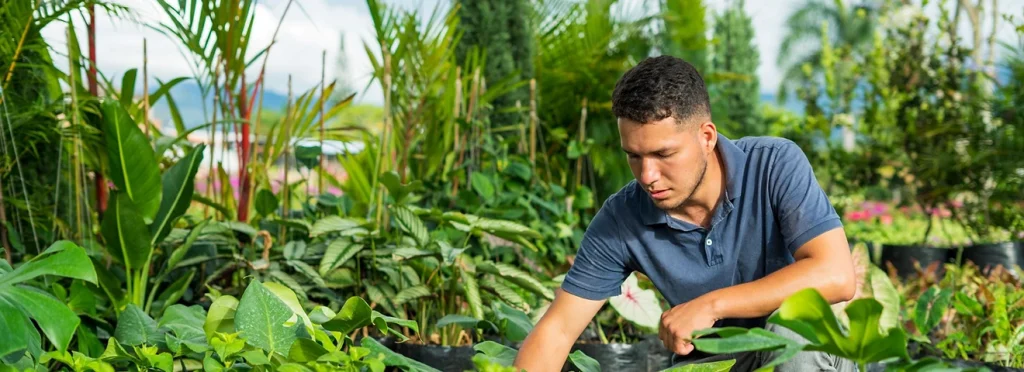
Urban microfarm projects like Enparalelo and Ibis Farms show food production doesn’t have to wait for big farms or exports — it can start in neighborhoods and grow locally. Brands and small food businesses that adopt eco-friendly packaging early win not just regulatory goodwill but also trust with customers who care about health and the environment.
Importantly, this trend intersects with education. Training youth around sustainable farming, agro-processing, and packaging sciences gives them skills that are immediately relevant: jobs in green manufacturing, food supply chains, or brand development for export.
In short, this shift is not just about doing good — it’s also about future resilience. Adopting sustainable practices now builds competitive, export-oriented food and agriculture enterprises in the Caribbean and Latin America.