
Capturing CARIFTA with AI in Our Toolkit
For CARIFTA 2025, photographer Rondell Paul took on the challenge of documenting one of the Caribbean’s premier youth athletics events. Across three intense days, he captured defining moments from track and field, working alongside seasoned professionals while managing the logistical and creative demands of live event coverage. To support the process, he used ChatGPT as a digital assistant, helping with planning, sequencing, captioning, and reflection, before and after the event.
Preparation and Focus
In the lead-up to the Games, ChatGPT assisted in identifying top-performing U17 and U20 athletes across the region, highlighting those with strong media presence or university-level potential. This helped prioritise which events might yield powerful narratives, whether on the podium, at the finish line, or in the middle of a breakout race.
That focus was sharpened after a conversation with respected journalist Franka Phillip during the CARIFTA media briefing. Her insight reframed the way Rondell approached the work, not just documenting results, but capturing athletes on the verge of global careers. That perspective led to moments like Tianna Springer’s 400m performance being tracked and framed with future significance in mind.
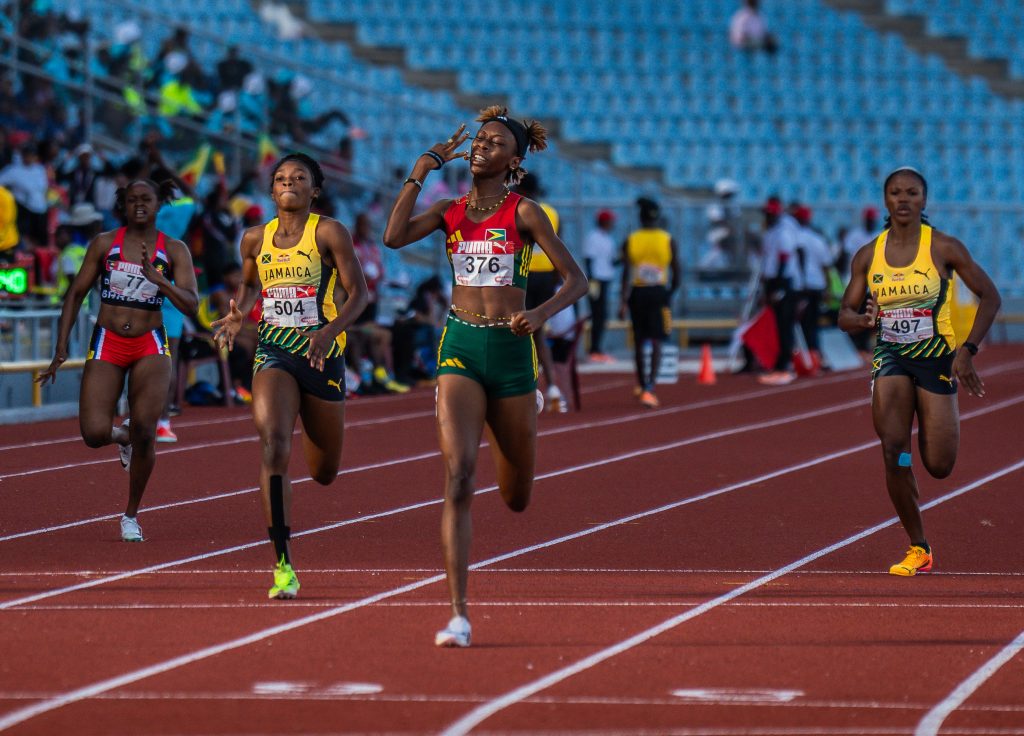
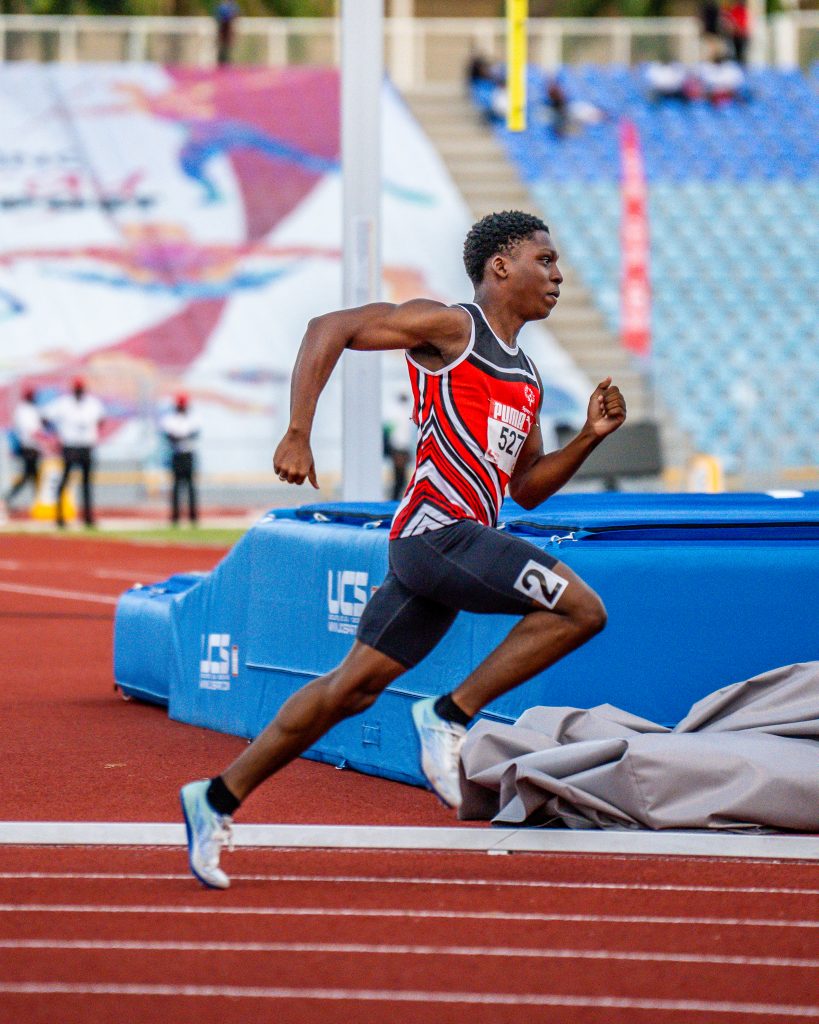
One of the athletes prioritised in pre-race tracking—Tianna Springer delivers a gold-medal finish in the U17 400m.
While many candid moments emerged instinctively, the AI-assisted prep offered structure. With a mental checklist centred on emotional highs, relay handoffs, personal bests, crowd energy, Rondell entered each day with clearer intention and sharper focus.
Learning On the Ground
Despite extensive preparation, the most valuable lessons came on-site. Over the three-day event, Rondell connected with several of the Caribbean’s top sports photographers, including Dennis Tayé Allen, who generously shared his experience on optimal positioning. His advice on where to stand—particularly in the pit, a low-angle area on the south side of the stadium—proved critical for capturing relay and 400m starts with clarity and energy.
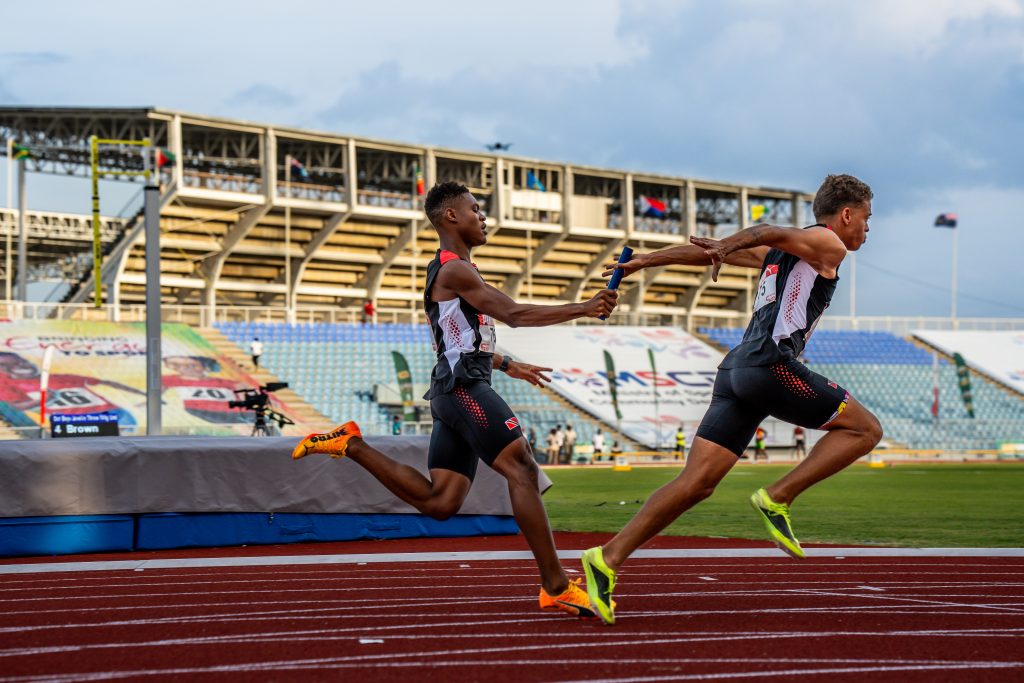
Learning in motion. Positioned just off the bend, this relay handoff by Team TTO in the Boys 4x100m was captured from “the pit”—a tip shared by veteran sports photographer Dennis Tayé Allen that shaped how I approached key moments on the track.
Lighting also presented new challenges. One key takeaway learned from Dennis in the moment: even under stadium lights, a flash is sometimes necessary to properly capture finish-line motion at night. These are the kinds of real-world adjustments that no prep can teach—they’re learned through presence and conversation.
ChatGPT supported the logistical side of the coverage. With overlapping schedules and simultaneous track and field action, it helped map out movement between sessions, prioritising based on proximity and start times to minimise missed moments and keep athlete tracking fluid.
From Moments to Stories
After the event wrapped, the work shifted into post-production and curation. With hundreds of images to sort and shape into meaningful content, ChatGPT helped structure the rollout. Content was grouped by athlete, emotion, and arc, allowing for highlights, recaps, and series that told a fuller story of CARIFTA 2025.
The AI also supported caption development. Whether generating headline options, refining tone, or providing feedback on inclusive language, especially for coverage of Special Olympics athletes, it offered a way to process and frame the work with care and clarity.
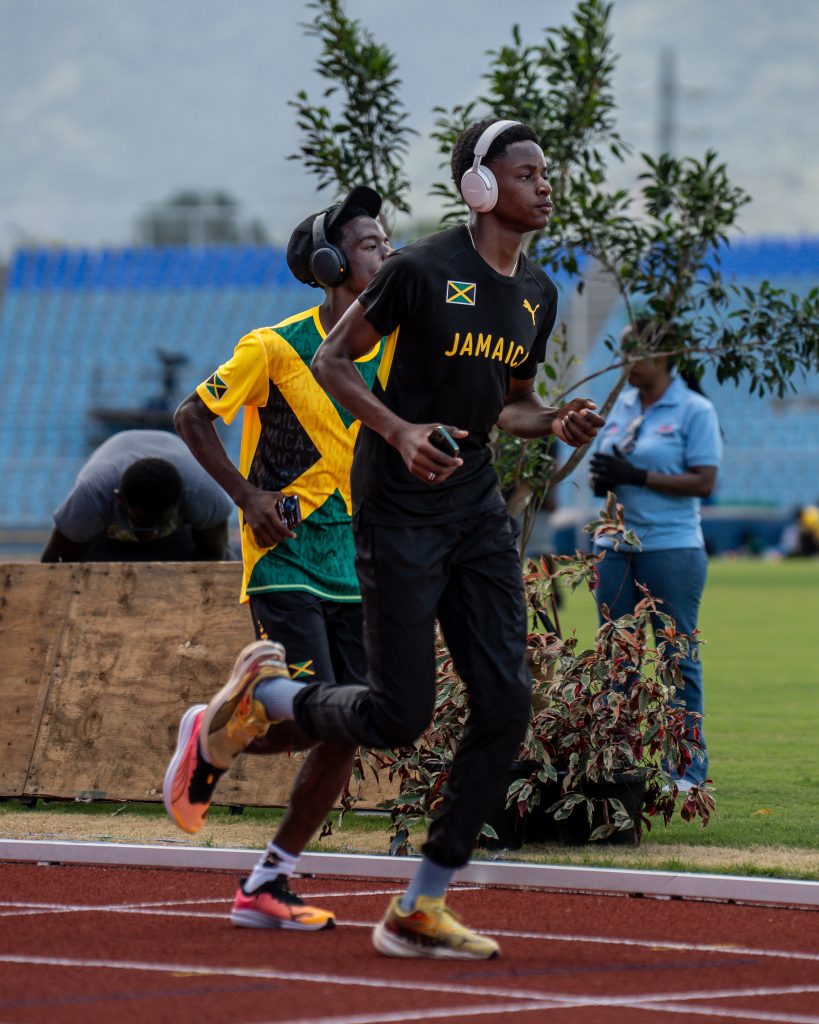
Looking Back and Looking Ahead
Among the many moments captured, a few stood out. Tianna Springer’s dominant 400m performance. Zion Miller’s final push to clinch the Boys U20 400m title. The powerful connection between Ahkeel Williams and Wyatt Cartwright, seen praying together before finishing first and second in the javelin event. These were moments that benefited from pre-event research and real-time awareness.
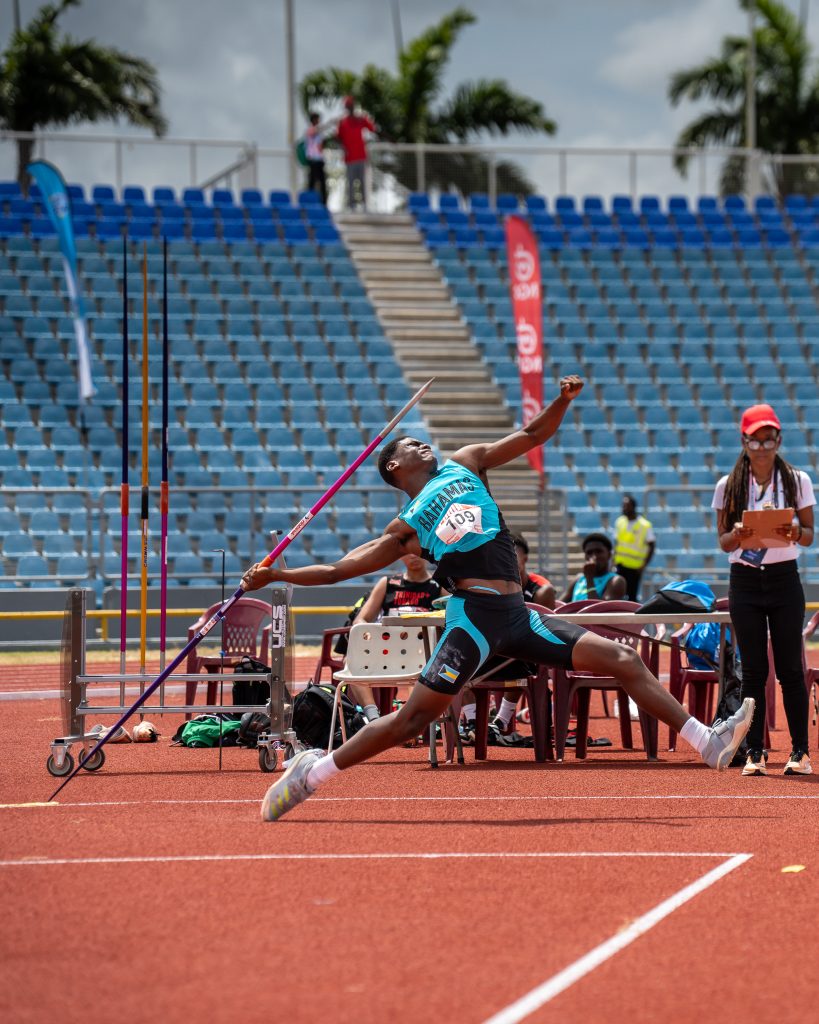
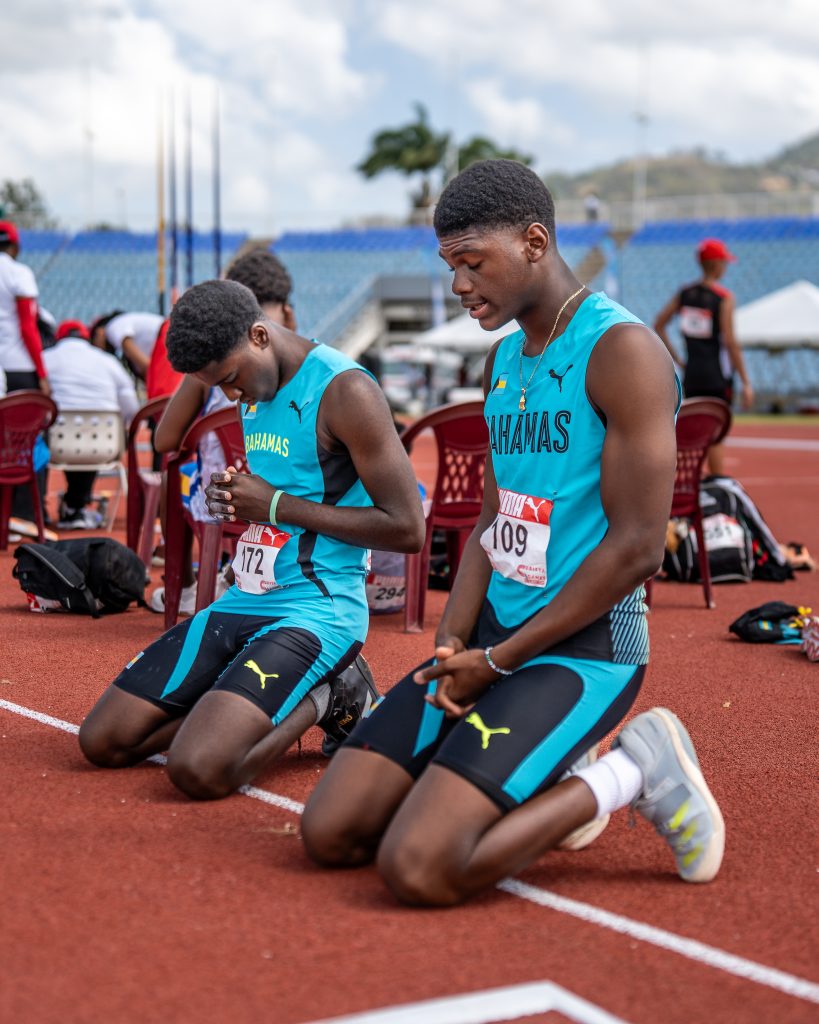
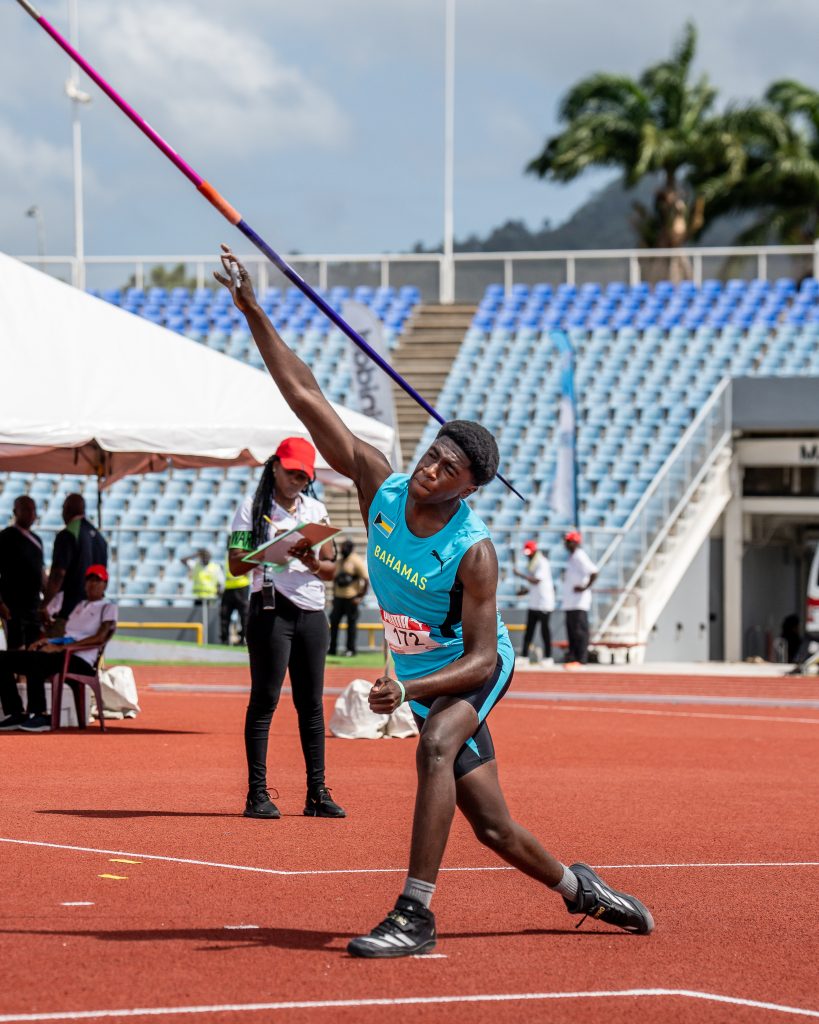
Others came purely from being present, like learning from an official that Kamari Kennedy was closing in on a Games record in shot put, or capturing Jade Ferguson’s quiet redemption as she rose from a last-place finish in the previous CARIFTA Games to a gold medal this year.
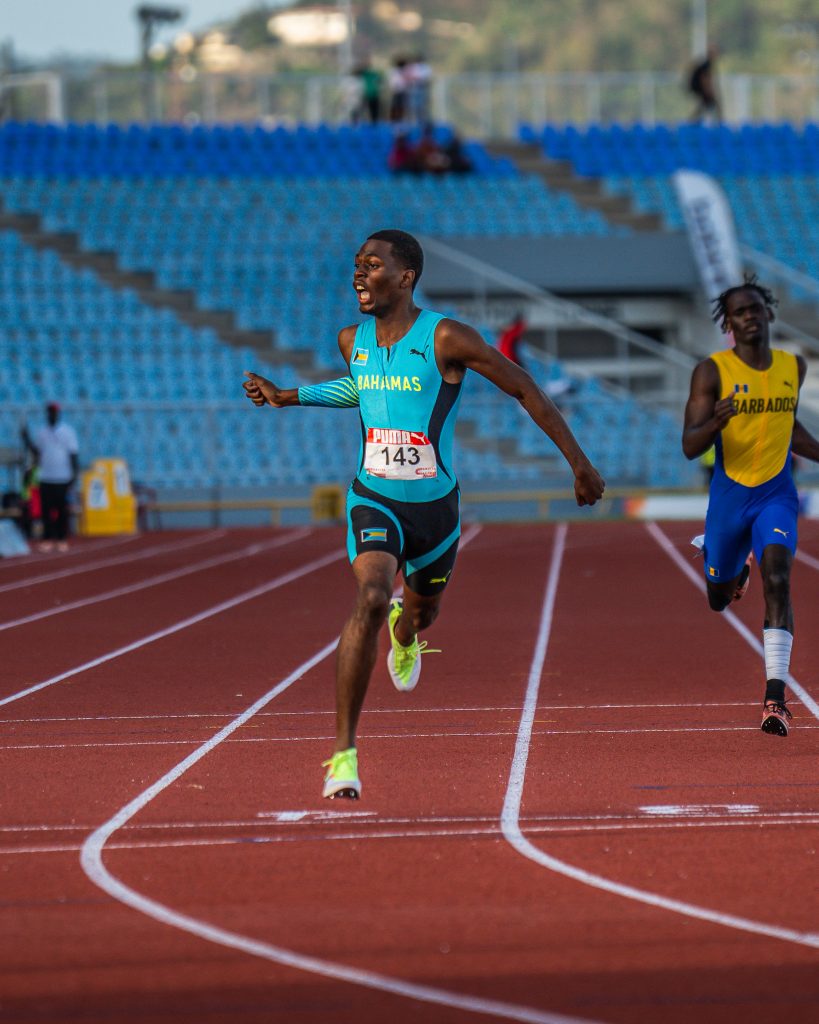
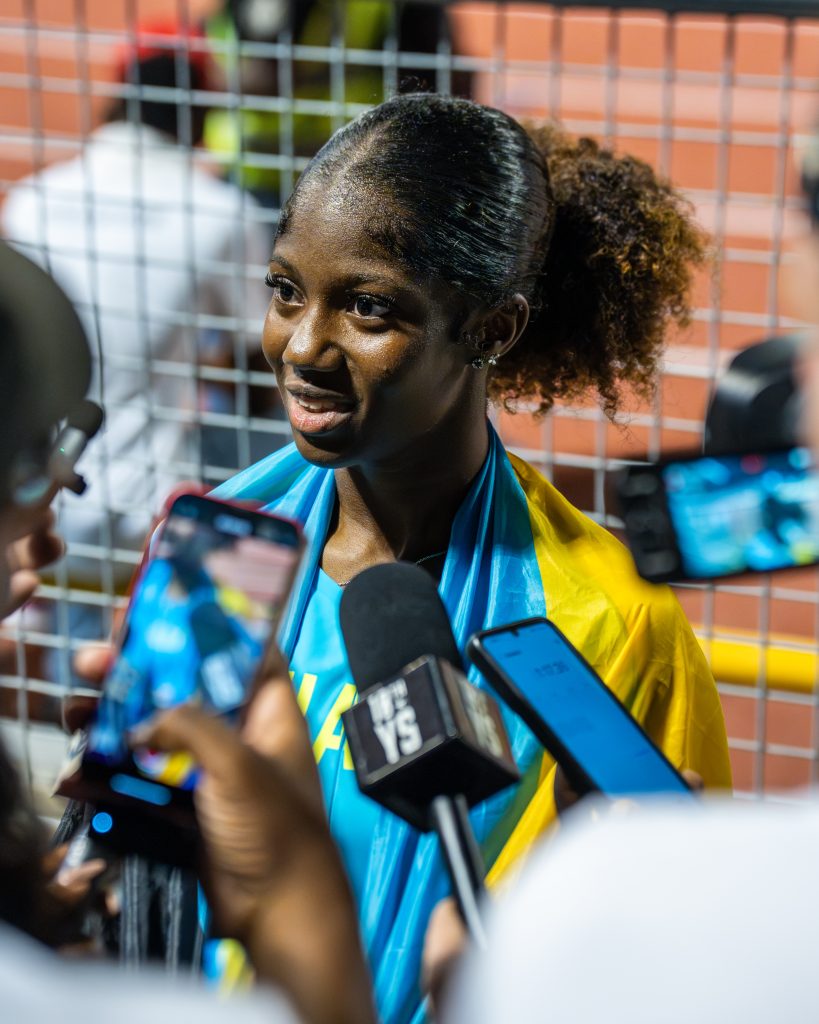
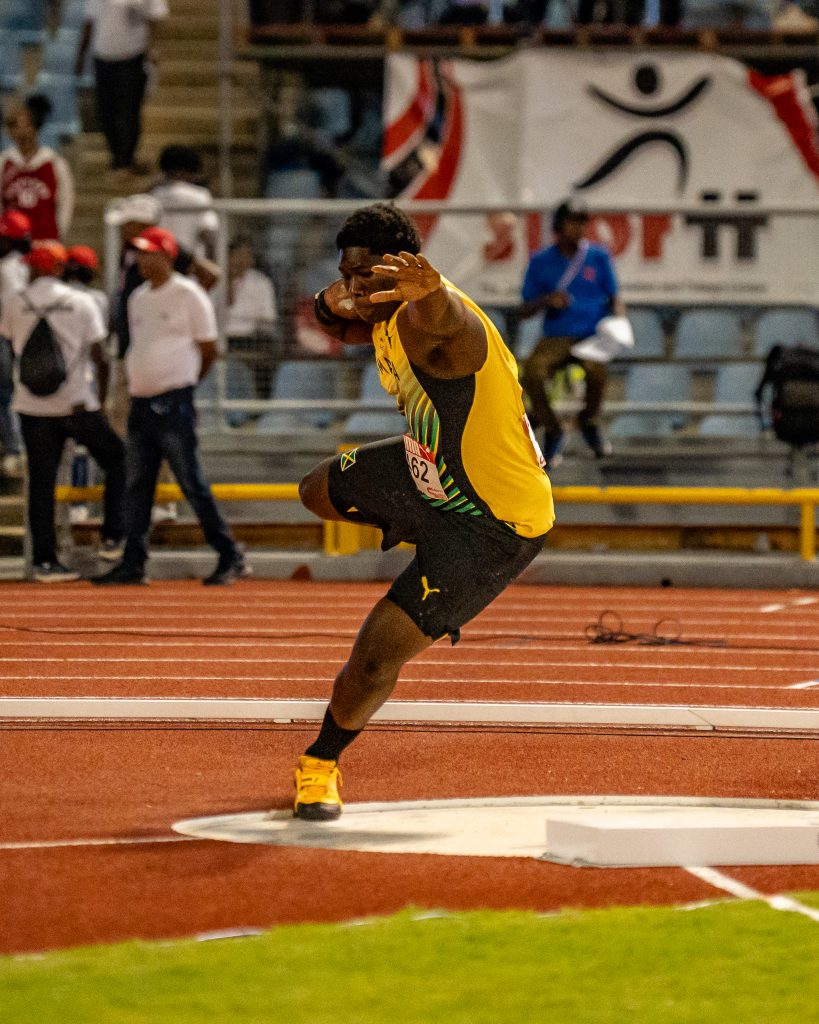
This project reinforced the importance of intuition, rhythm, and responsiveness. Tools like ChatGPT offered structure and support, but the work was ultimately shaped by what happened on the ground, through shared knowledge, lived experience, and the instinct to be ready when the moment revealed itself.
Why This Matters
Every shoot presents different challenges. For CARIFTA, having a bit of structure going in—knowing which athletes to prioritise, which moments to look out for, and how to move through the schedule—made a noticeable difference. It didn’t replace instinct or the value of learning on the ground, but it did help cut down on time spent second-guessing decisions or sifting through disorganised content later.
Compared to other shoots, like SSFL football matches, where there was little advance prep or insight into key players, this felt more intentional. The result was not just stronger storytelling, but also a smoother editing and post-production process. That kind of clarity adds value, not just for the creative but for clients looking for efficient, well-thought-out coverage that still leaves room for spontaneity.